By Penelope Sofias
Images and visuals are an incredibly impactful medium. Humans process images quickly, we associate images with information and memories, and often have emotional responses to what we see. As a result of the powerful nature that comes with visuals, creating them has become a respected skill. From photographers, to animators, graphic designers, and illustrators, there are numerous careers that have flourished from the hard work of creating images. “Creatives” are not limited to only images in the digital world, now we have vloggers and influencers, musicians, and movie directors. Visuals are a part of everything and that is why copyright and other forms of rights infringement apply to all of us in this modern landscape. While these systems are put in place to protect the intellectual property of numerous creators, there are also many dangers when it comes to using the work of others, being inspired by other work, and even ensuring the safety of your own personal creations.
With social media and our ability to document events in real time, almost everyone can be their own reporter. The Electronic Frontier Foundation gives the average person a guide to be their own journalist. Whether you want to be a blogger, want to access public records, or simply want to become more media literate. The EFF explains our First Amendment Rights and how they are applicable when creating content or gathering information.
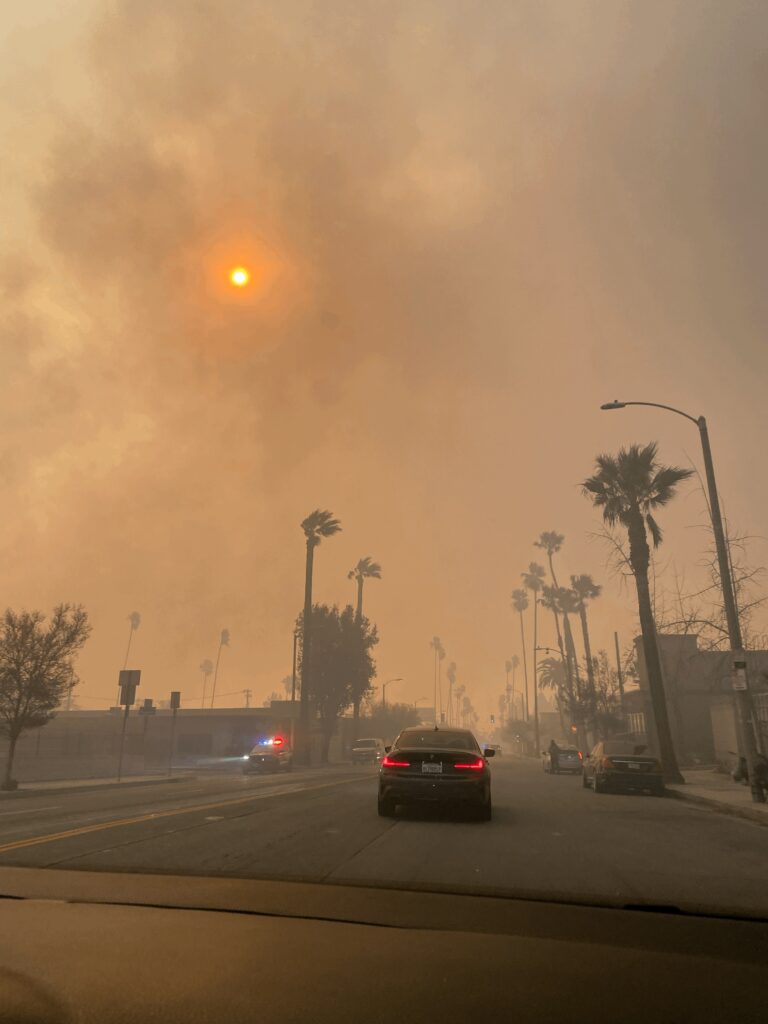
Back in January, I experienced the fear of being in close proximity to the Eaton Fires. I was able to document the events in real time and communicate with family and friends through images. While I never publicly posted my photos, I had friends and family who had their content used by news stations without permission or credit.
Here’s an example of my own personal photos during the Eaton Fires:
Here’s an example of the type of image that Adobe Stock provides when I search “Eaton Fires”:
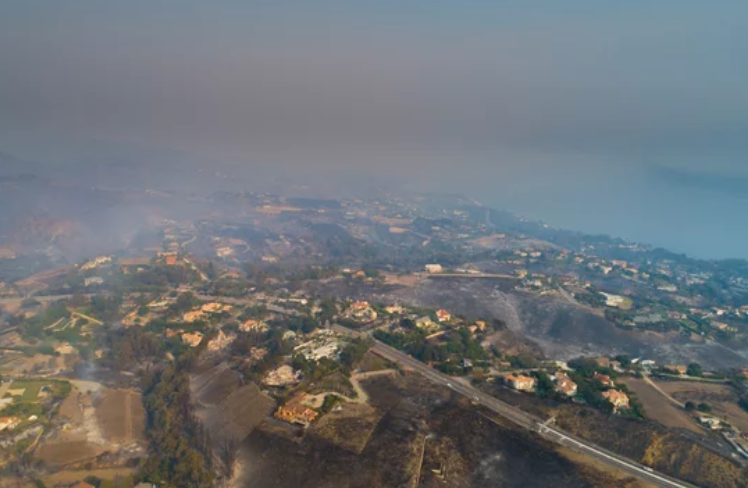
While royalty free commons can be risky when trying to show documented events, it is a great resource for creators when trying to use images to convey a certain message.
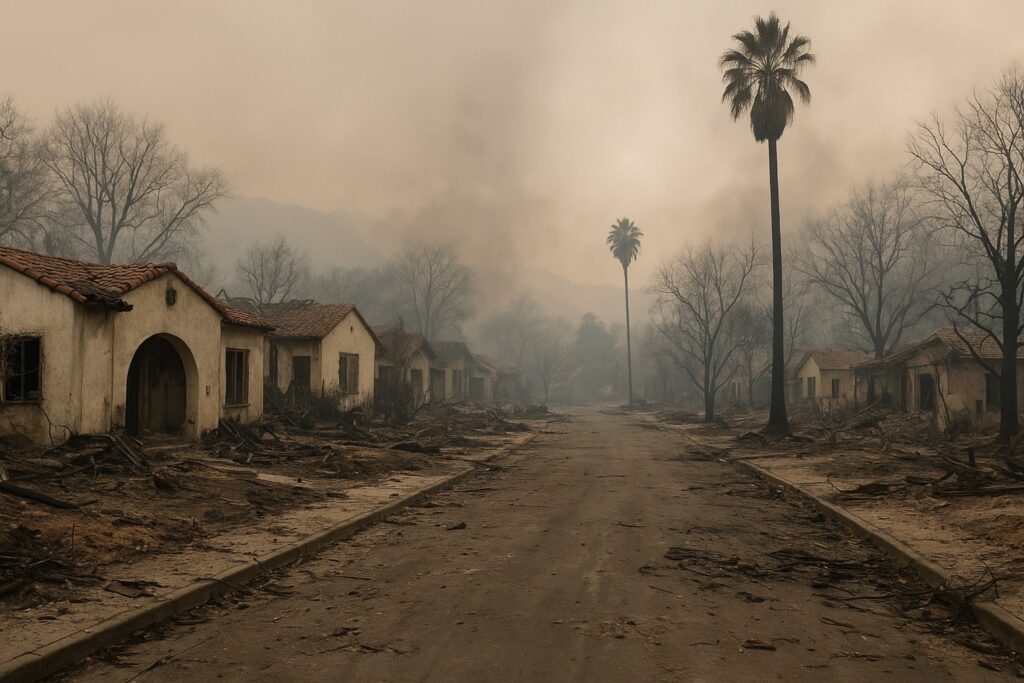
A new danger in the world of documentation and visuals is the use of Artificial Intelligence. As seen in our modules, AI can often be used to create images that can cause harm. Whether from replicating the artwork of others as this Medium article discusses, or by depicting false events like the fake Pentagon explosion, AI can have serious consequences.
Here’s the result from prompting the AI tool DALL-E to create an image depicting the aftermath of the fires in Altadena, CA:
Images are thought provoking tools. They can cause conversation and thought, share current events, and inspire new works. However, they can also cause misinformation, plagiarism, and harm. It’s crucial to understand the ethics behind using the work of others or creating your own visuals, whether through the use of Artificial Intelligence or your own work.