Penelope Sofias
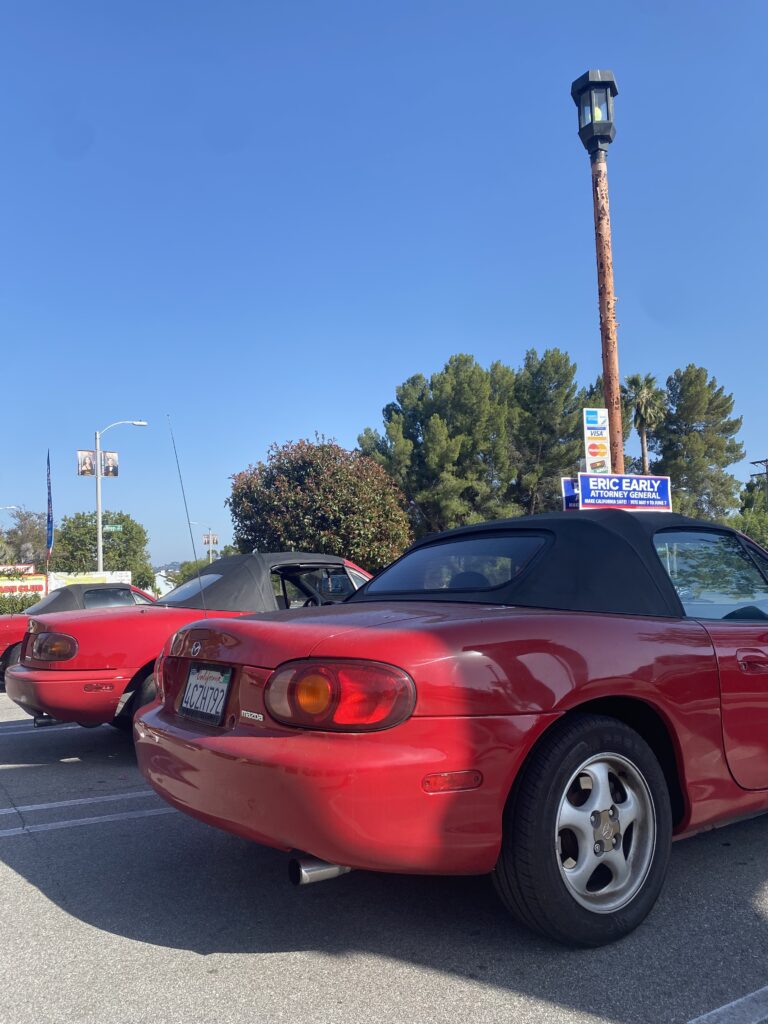
I thoroughly enjoyed this experience of using ChatGPT to write a faux blog post on the Mazda Miata. I own a 1999 Mazda Miata and throughout the years I’ve learned a lot about the car. It was revolutionary in the automotive industry with its design, reliability and the culture that it created. Even though I feel like I have become quite knowledgeable about the car’s history, using artificial intelligence actually encouraged me to do more research on it.
I found that ChatGPT was surprisingly quite accurate in its statements and summary. There was no blatant misinformation, however, I found that it certainly downplayed some of the notable facts that are part of the history of the Mazda Miata. While it provided a broad overview, I was surprised that the pseudo post did not provide more details on the creative vision, the safety concerns, and the overall struggle that it took to create the vehicle. Maybe I had high expectations, but I thought that ChatGPT would create a post that included more detailed information, similar to the YouTube video that I had linked in my edits.
As much as I actually do trust the content that ChatGPT produced, I certainly do not think it captured the human nature that a blog post should have. When discussing niche topics, like the history of the Mazda Miata, there is a certain “feeling” and culture that needs to be incorporated. Miatas have a cult following, it has become a classic car that is desired by many. From owning one myself, I have learned so much about its history through Reddit, Instagram pages, and in person Miata car meets and I don’t think AI can perfectly capture that.
Check out the post that ChatGPT created and the suggestions I made on my Google Doc!