Welcome to my 24-hour media diary for Friday August 29, 2025. This was a typical day for me, starting with a shift at Starbucks, working on assignments, and interacting with various forms of media. While I’m aware that I interface with social media, advertisements, news, and the radio on a daily basis, Friday, I was particularly astute to the fact that much of this content might have been lacking in credibility. This led me to lots of fact checking and even more interface with different forms of media.
8:00 am – Instagram
Starting out my morning with my usual scrolling, I checked Instagram to see what I missed while sleeping. The majority of posts are the usual from friends and family or memes but one story stood out to me. It was a screenshot of a tweet by President Trump praising the restaurant chain, Cracker Barrel, for returning to their original logo (the company recently removed Uncle Herschel from their logo design). The Instagram story didn’t link the post or provide much other information.

This sent me down a rabbit hole, confused why the President was providing commentary on a restaurant’s logo. Upon more online inspection, it turns out the simplified design sparked criticism from both the President and many people online. Claims were made that the change in design lost the “good old fashioned American” image that the brand promotes. With this backlash Cracker Barrel returned to their original logo.
8:30am – The Guardian and The New York Times
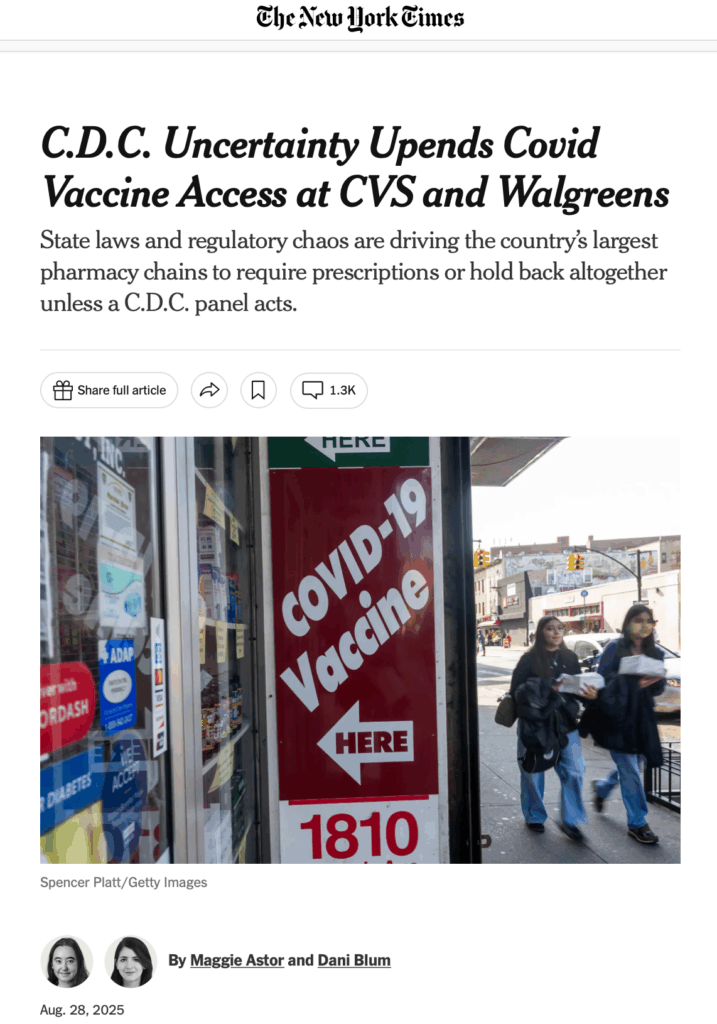
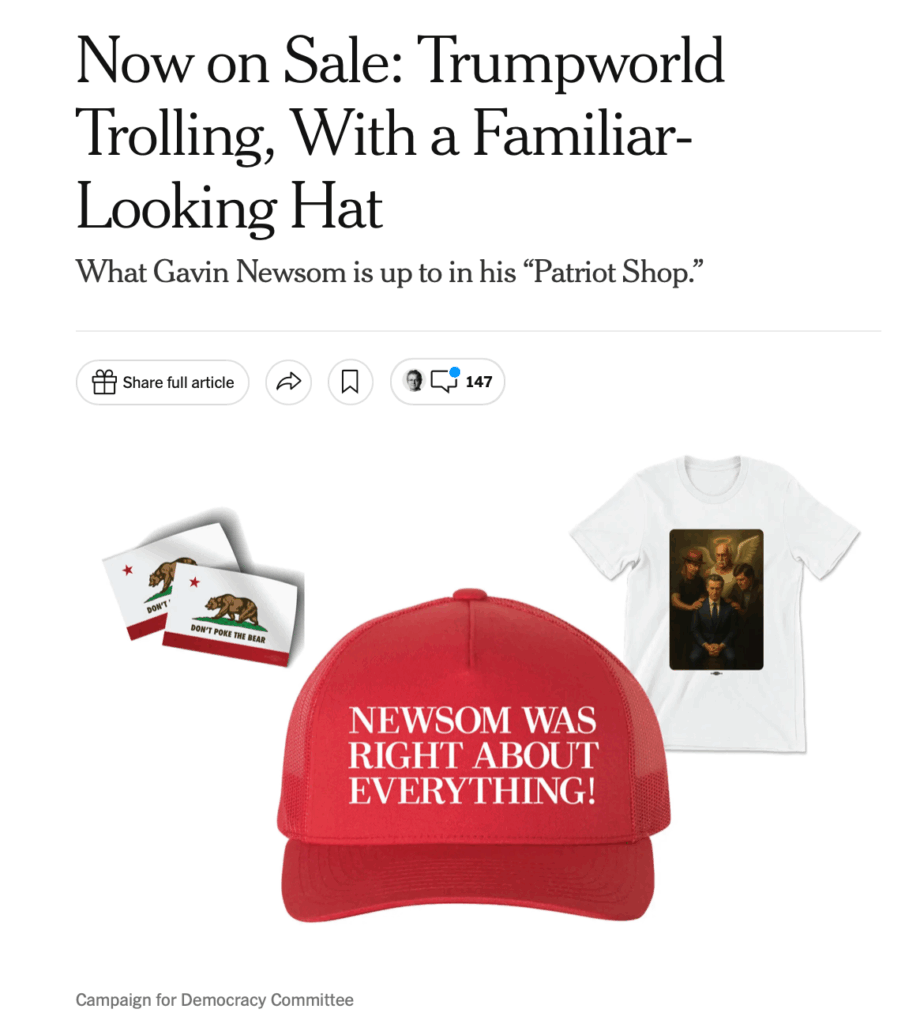
I scroll through news outlets that I’m subscribed to. I see many headlines from The New York Times that catch my eye but I don’t fully read:
I read this Guardian article about Trump trying to reshape American culture by supervising what is on display in the Smithsonian museums.
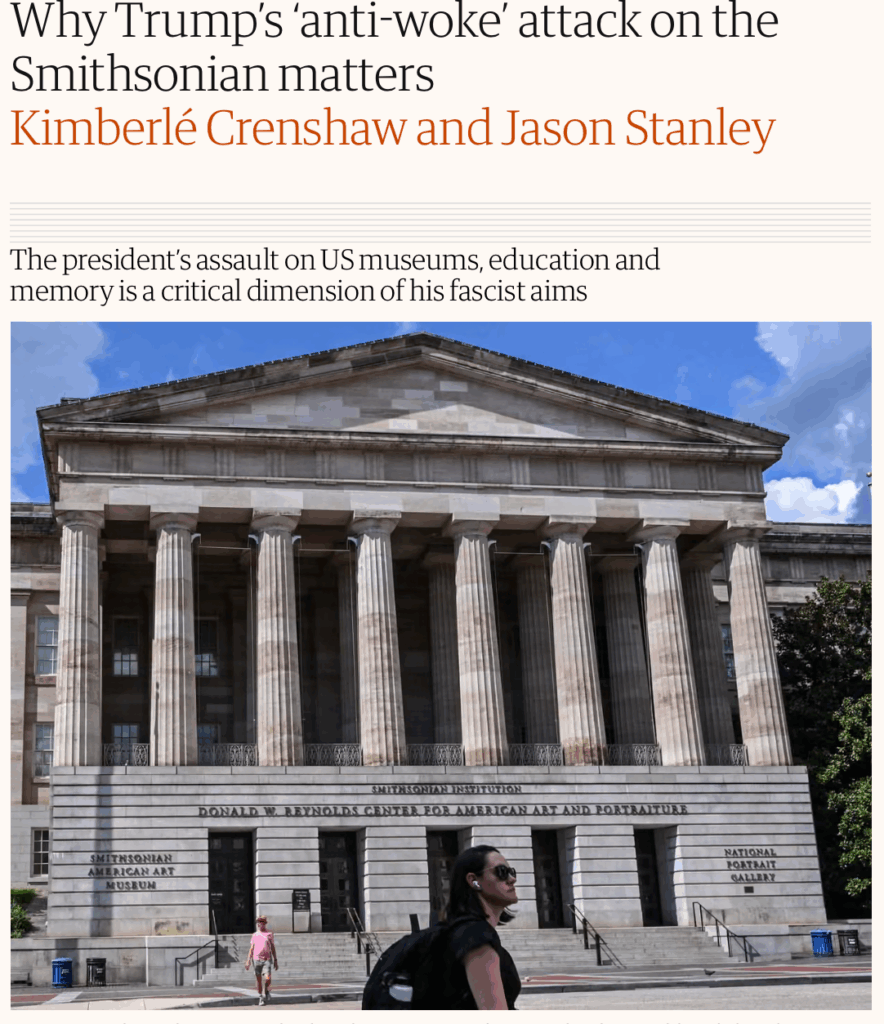
It was clearly written from a left leaning perspective so I decided to look into the plan for “Restoring Truth and Sanity to American History”. Turns out, The President’s concern on how a logo can influence the American image is just the tip of the iceberg.
10:00am – 6:00pm – TikTok and Emails
The majority of my day was spent at Starbucks where I work as a barista. While there’s not a whole lot of time to be online, I find myself scrolling through TikTok on my breaks. A majority of the content is pop culture and lifestyle. I saw a lot about Taylor Swift’s recent engagement to Travis Kelce. With a simple check of the pop star’s Instagram, I can tell the news is true. I also give my emails a browse and see announcements from my professors and classes.
7:00pm – Canvas and ChatGBT
After work I open up Canvas to start on my assignments. Today’s main project was for my Race, Politics, and Sexuality course. I learned to use an AI assistant tool created by an ASU doctoral student that helps to understand bias in news headlines. Using the AI tool and the SCAMPER method I learned how to think critically about the way language and emotion can be used to skew perspectives. I tend to take a negative stance on AI and avoid using it, however utilising it in an academic way showed that sometimes it can help to understand what is credible and what is not.
9:00pm – Instagram
As I settle down for the evening, I return to doom scrolling through Instagram. Another story post catches my attention. It’s a post by an activist account claiming that a private immigration detention center was opened illegally in Kern County, California.
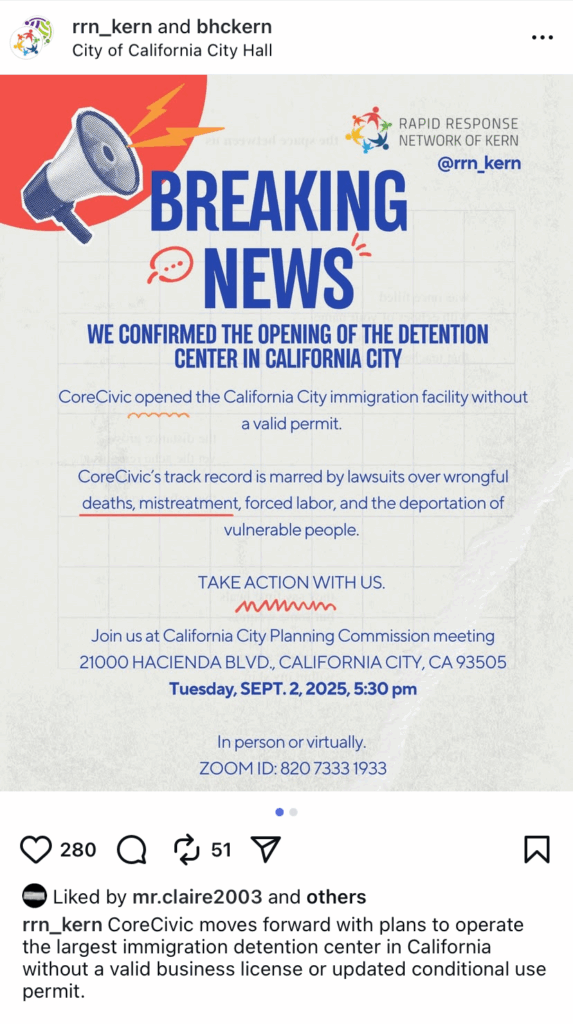
Living a couple hours away in Los Angeles, I was surprised I hadn’t caught wind of this previously. The post made very explicit claims without much evidence. Upon further inspection, an article by Visa Verge revealed that while in 2019 California law was passed preventing private companies from opening detention centers, the law did not prevent them from Federal use. While morally this brings up many issues, technically the detention center was opened while still abiding by the law.
Reflection:
Looking at my media diet laid out like this, it’s clear that I interact with a multitude of different forms of media everyday. TikTok and Instagram provide the most consistent flow of information to me. However it’s clear that bias and one sided views are common as a result of algorithms and echo chambers. It’s easy for me to fall victim to clickbait and flashy headlines. This project encouraged me to not simply accept the information that is being fed by me and to intentionally fact check my content. When it comes to social media I’m far more wary on what to believe. Whether its a post by the President or a post by a small activist group, the fact that I see it on Instagram automatically makes me question the content. I tend to lean towards more reputable names like The Guardian or The New York Times as a source of credibility. However, even these sources have their own agendas and perspectives. This activity has taught me that it’s helpful to approach all forms of media with a critical lens, questioning information is a sure way to understand multiple perspectives.